

Living on the Moon in 2026: What Life Beyond Earth Could Really Look Like

Living on the Moon in 2026: What Life Beyond Earth Could Really Look Like
Living on the Moon in 2026: What Life Beyond Earth Could Really Look Like
When Neil Armstrong first stepped onto the Moon in 1969, permanent life beyond Earth sounded like pure science fiction. But in 2026, that future is becoming increasingly realistic.
Thanks to next-generation space technology, AI-powered ecosystems, and ambitious lunar missions from NASA and ESA, humanity is preparing for a new era of moon living.
Space biologist Angelo Vermeulen already explained years ago that surviving on the Moon is not just about technology it’s about autonomy, sustainability, and mental resilience. According to Vermeulen, future lunar residents must learn how to live independently from Earth.
Why Living on the Moon Is So Extreme
The Moon is one of the harshest environments in the solar system. There is almost no atmosphere, meaning humans are constantly exposed to:
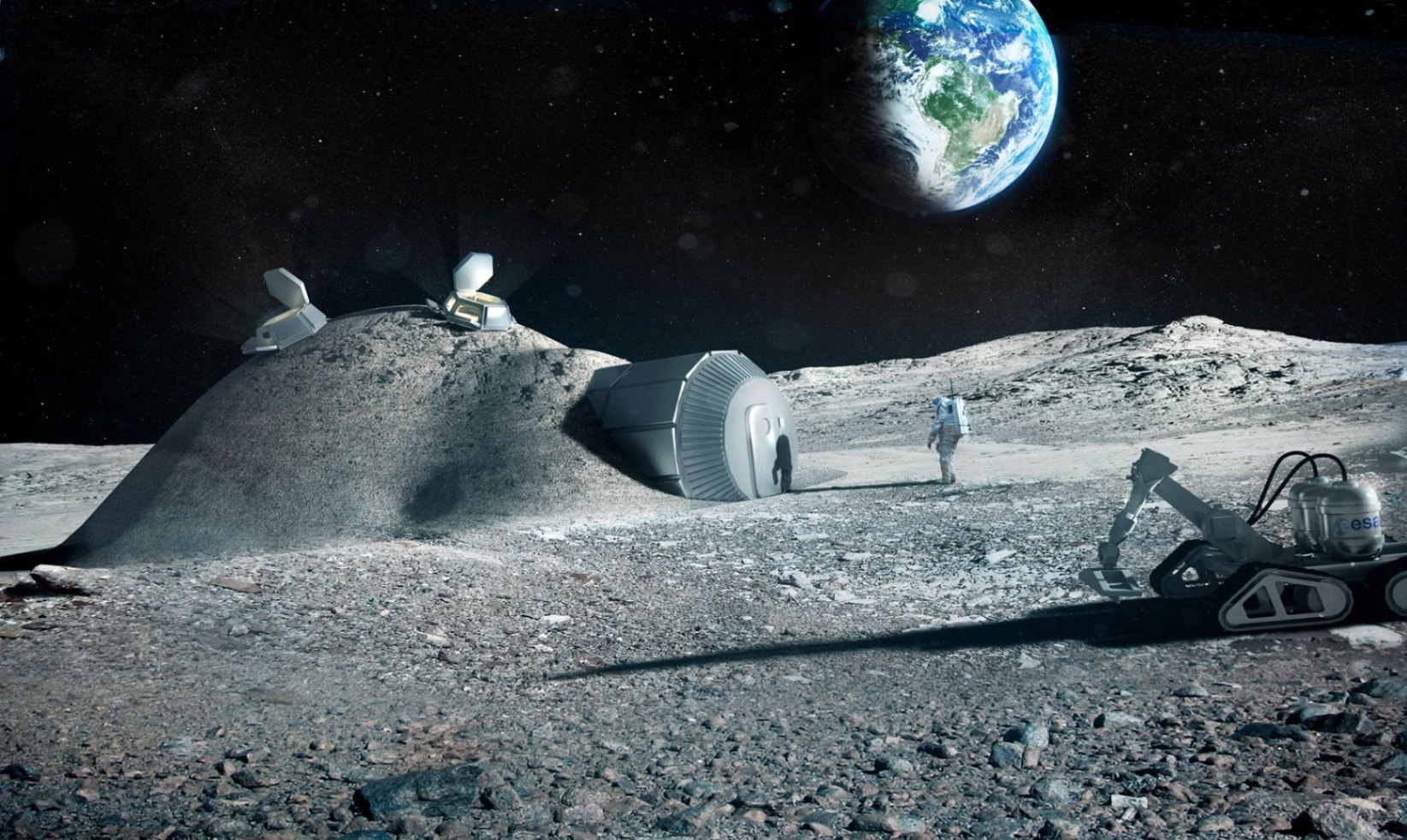
Traditional housing simply won’t work there. That’s why scientists are now exploring massive underground lava tunnels beneath the Moon’s surface. These natural structures could protect future lunar colonies from radiation and deadly impacts.
Building Moon Homes With Lunar Dust
Transporting fully built habitats from Earth would cost billions. That’s why space agencies are investing heavily in “in-situ resource utilization” — using materials already available on the Moon itself.
Future lunar bases may include:
Experts believe complete self-sufficiency will be essential if humans want to survive long-term on the Moon.
Growing Food on the Moon
A permanent moon base cannot rely forever on supply missions from Earth. That’s why scientists are developing closed-loop ecosystems capable of producing food, oxygen, and water independently.
One of the earliest experiments was Biosphere 2 in the United States, where researchers attempted to create a fully sealed ecosystem containing humans, animals, and plants. The system became unstable, species died off, and ecological balance collapsed.
The European Space Agency later developed the MELiSSA project, focusing on a much simpler circular ecosystem involving:
Human waste is processed by bacteria into nutrients and CO2, which plants then use to generate oxygen and food. This circular system could become the foundation of sustainable lunar life.
Mental Health Could Become the Biggest Challenge
Technology alone will not guarantee survival on the Moon.
Vermeulen himself participated in the HI-SEAS isolation program in Hawaii, where crews lived in simulated space mission conditions for months. Researchers discovered that astronauts struggled most with:
One major conclusion stood out: autonomy is critical for mental wellbeing. The more freedom crews experienced, the stronger their motivation and teamwork became.
The Future of Moon Colonization
In 2026, global space programs are accelerating plans for permanent lunar missions. NASA’s Artemis program aims to return humans to the Moon, while private aerospace companies are investing in commercial lunar infrastructure.
The first long-term lunar residents will likely include:
The Moon is no longer just a destination for exploration — it may become humanity’s first true off-world civilization.
Final Thoughts
Living on the Moon in 2026 is no longer only about rockets and space suits. It’s about sustainability, psychology, ecology, and complete independence from Earth.
The real challenge won’t simply be surviving on the Moon.
It will be learning how to live without Earth.
#moonlife #spacecolonization #NASA #ESA #futuretech #sustainability #moonbase #spaceexploration #putiton
put-it-on.online
The relaunch June 1st 2026 — ARE YOU ON?
Other articles by Put It On Newsroom
How can Europe strengthen its digital position in an increasingly competitive international playing field?
June 1, 2026READ MORE
PUTITON on Business Class (RTL7) with Harry Mens on November 30, 2025
May 30, 2026READ MORE
PUT-IT-ON V7 Official Launch: A New Era of Networking and Business Growth Begins
May 28, 2026READ MORE