𝗧𝗵𝗲 𝘄𝗼𝗿𝗸 𝗲𝗻𝘃𝗶𝗿𝗼𝗻𝗺𝗲𝗻𝘁 𝗮𝘀 𝗮 𝘀𝘁𝗿𝗮𝘁𝗲𝗴𝗶𝗰 𝗱𝗿𝗶𝘃𝗲𝗿 𝗼𝗳 𝗘𝗺𝗽𝗹𝗼𝘆𝗲𝗲 𝗘𝘅𝗽𝗲𝗿𝗶𝗲𝗻𝗰𝗲
HR professionals give their own Employee Experience approach a 6.1 out of 10.
That’s interesting.
It suggests the ambition is there.
But the execution still feels incomplete.
Employee Experience is often discussed in terms of culture, surveys, and engagement scores.
Less often in terms of the environment in which people actually work every day.
And that’s where it becomes tangible.
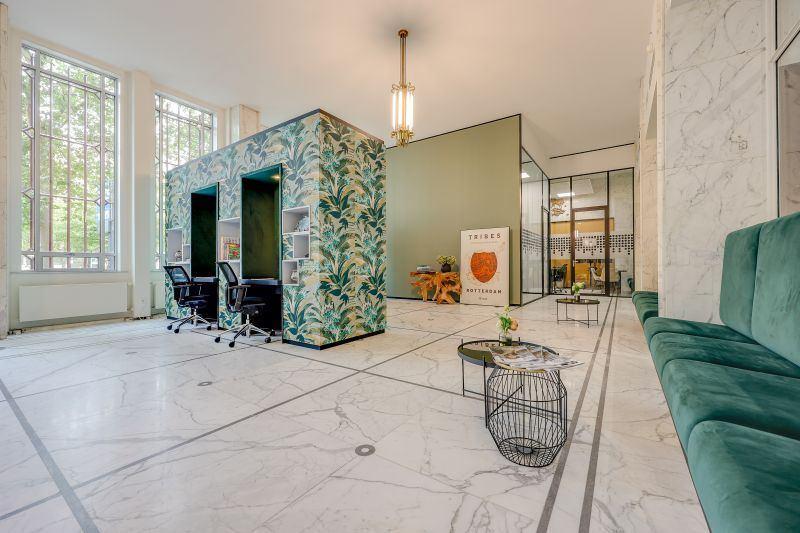
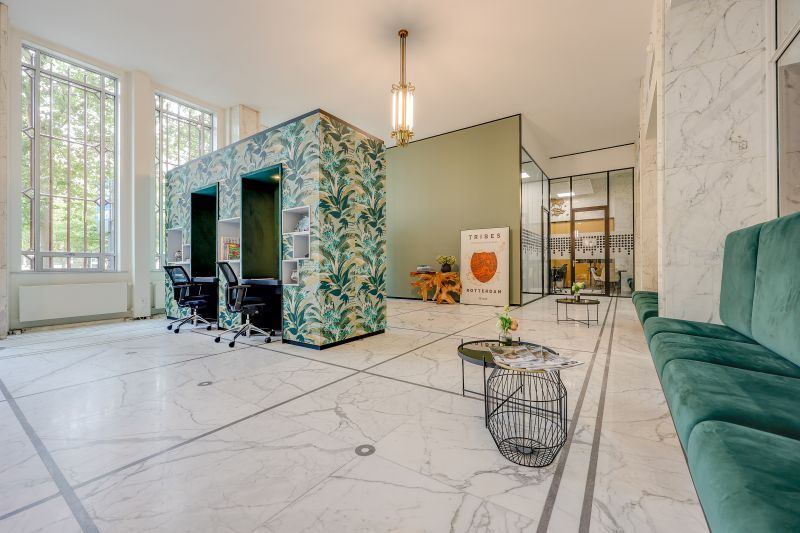
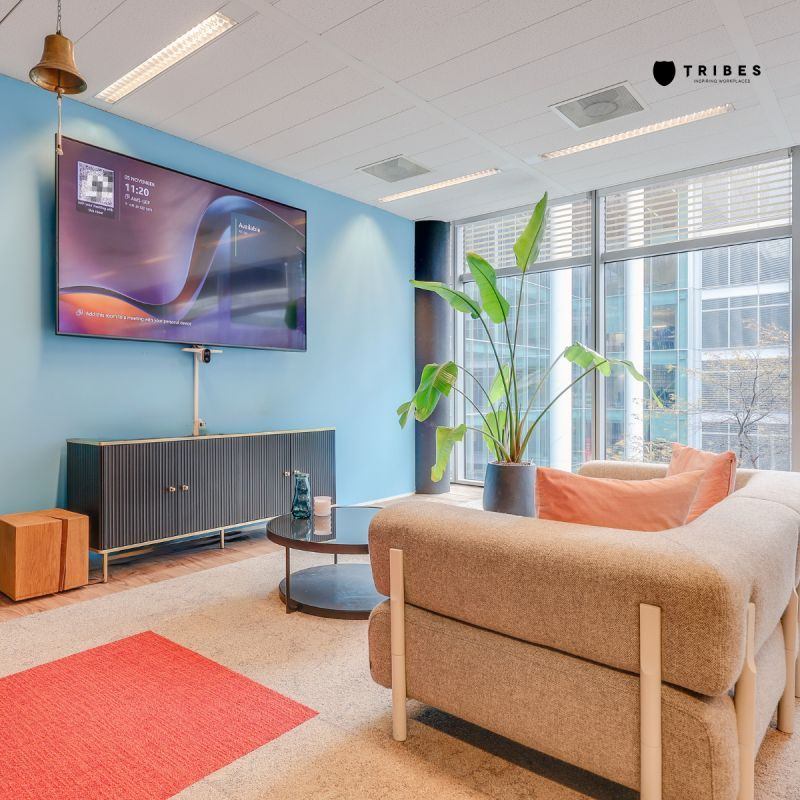
The workplace influences behaviour continuously.
Can people focus without friction?
Can teams collaborate easily?
Does the setup really support hybrid working or just tolerate it?
We sometimes treat the work environment as operational.
In reality, it’s strategic.
Because Employee Experience is not something you announce.
It is something people feel daily in how work is organized and supported.
If organizations want EX to drive performance, the environment in which work happens needs to be part of the overall approach, not an afterthought.
Curious how others are integrating workplace strategy into their EX-agenda.