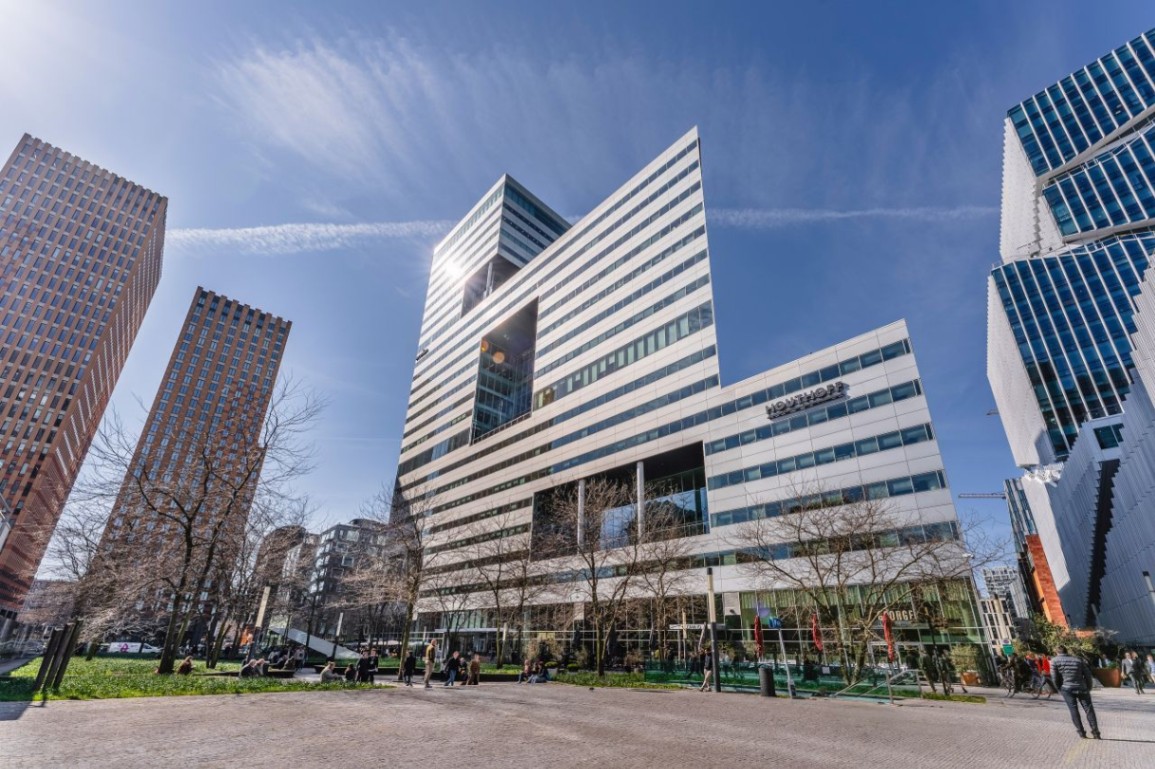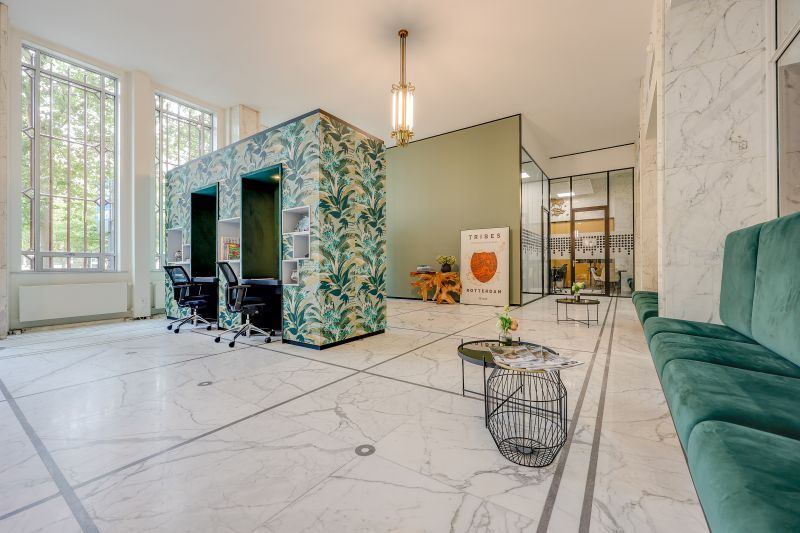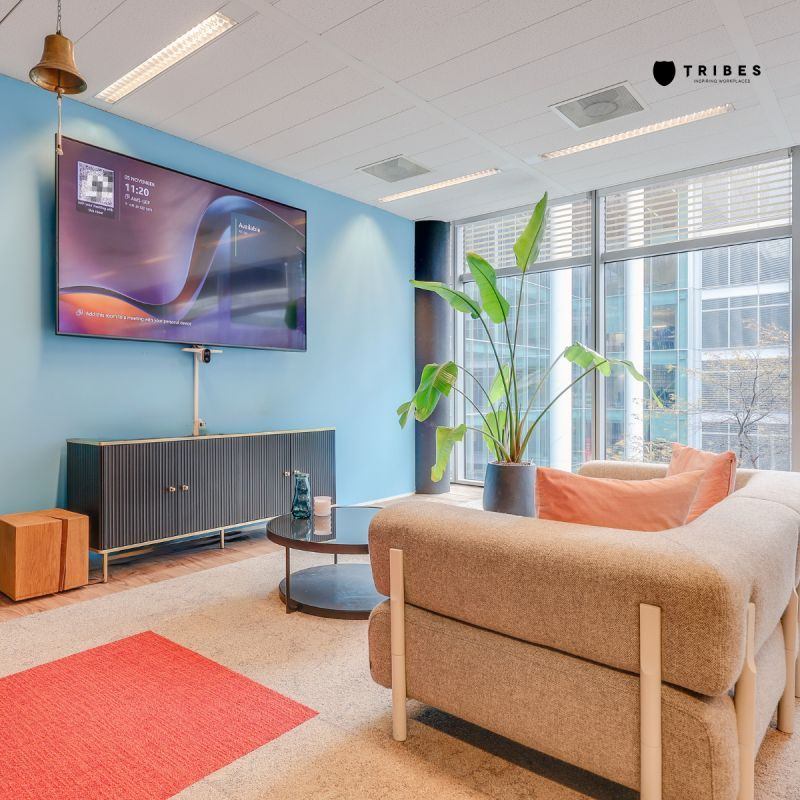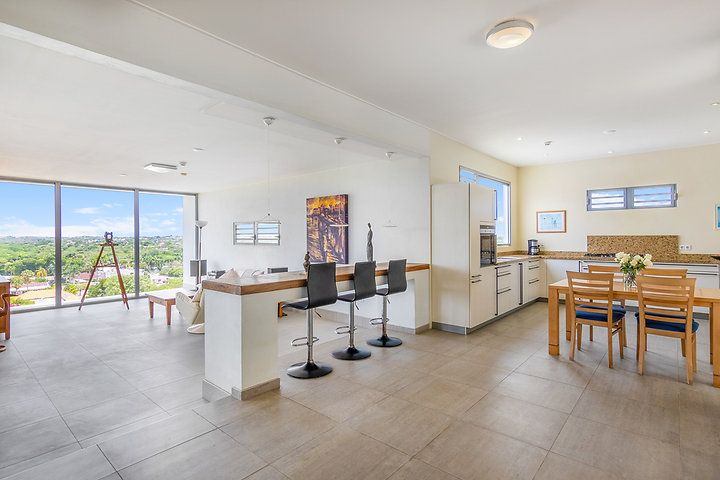
𝗙𝗹𝗲𝘅 𝗶𝘀 𝗻𝗼 𝗹𝗼𝗻𝗴𝗲𝗿 𝗮 𝘁𝗲𝗻𝗮𝗻𝘁 𝘁𝗿𝗲𝗻𝗱. 𝗜𝘁’𝘀 𝗮𝗻 𝗮𝘀𝘀𝗲𝘁 𝘀𝘁𝗿𝗮𝘁𝗲𝗴𝘆.
PUT-IT-ON shares curated conversations from its private community with the CEOs, Directors and Entrepreneurs driving the next era of Real Estate.

𝗙𝗹𝗲𝘅 𝗶𝘀 𝗻𝗼 𝗹𝗼𝗻𝗴𝗲𝗿 𝗮 𝘁𝗲𝗻𝗮𝗻𝘁 𝘁𝗿𝗲𝗻𝗱. 𝗜𝘁’𝘀 𝗮𝗻 𝗮𝘀𝘀𝗲𝘁 𝘀𝘁𝗿𝗮𝘁𝗲𝗴𝘆.
In conversations I’ve had recently with building owners, one thing keeps coming back:
Traditional leasing alone no longer solves everything.
Interesting to see the latest research from JLL confirming the same shift.
Companies still want office space.
But they want:
• less long-term risk
• faster occupancy
• lower upfront investment
• ideally their own corporate identity
• hospitality services
• and more flexibility as their business changes
According to JLL, only 3% of corporates currently use flexible workspace for more than 10% of their portfolio. Which means the market is still at the beginning of this shift.
At the same time, more landlords are exploring managed workspace models within their buildings.
Not as a temporary vacancy solution.
But as a way to:
• activate empty floors faster
• strengthen the building experience
• attract a wider tenant mix
• and future-proof the asset overall
The interesting part is that the conversation has changed.
A few years ago, flexible workspace was often considered competition to traditional leasing.
𝗧𝗼𝗱𝗮𝘆, 𝗺𝗼𝗿𝗲 𝗼𝘄𝗻𝗲𝗿𝘀 𝗮𝗿𝗲 𝘀𝘁𝗮𝗿𝘁𝗶𝗻𝗴 𝘁𝗼 𝘀𝗲𝗲 𝗳𝗹𝗲𝘅 𝗮𝘀 𝗽𝗮𝗿𝘁 𝗼𝗳 𝘁𝗵𝗲 𝗯𝘂𝗶𝗹𝗱𝗶𝗻𝗴 𝘀𝘁𝗿𝗮𝘁𝗲𝗴𝘆 𝗶𝘁𝘀𝗲𝗹𝗳.
We'll send you a nice letter once per week. No spam.